



What Is a Head Spa Treatment (and What Does It Do for Your Scalp and Hair)?
A head spa treatment is a multi-step scalp therapy that combines cleansing, massage, exfoliation, and nourishment to improve both scalp health and hair quality. Think of it as a facial for your scalp, one that addresses everything from product buildup and dryness to circulation issues that can affect hair growth.
Your scalp is skin, and like the skin on your face, it needs regular care to function at its best. Most of us focus exclusively on hair length while completely neglecting the foundation where each strand begins. That oversight shows up as flakiness, itchiness, oiliness, and hair that won’t grow as thick or as long as we’d like.
Head spa treatments tackle these concerns at the root. The process typically takes 60 to 90 minutes and involves deep cleansing with specialized products, gentle exfoliation to remove dead skin cells, a scalp massage to boost blood flow, and treatment masks tailored to your specific needs. Some versions incorporate steam, warm oil infusions, or even aromatherapy to enhance relaxation and results.
The benefits extend well beyond a pleasant afternoon. Regular sessions can reduce dandruff, balance oil production, strengthen hair follicles, and create the optimal environment for healthier, shinier growth. If you’re dealing with thinning hair, an irritated scalp, or strands that feel lifeless despite your best efforts with products, professional head spa auckland treatments offer a reset your routine likely can’t deliver on its own.
This guide walks you through exactly how the treatment works, what types exist, who benefits most, and how to maintain results between professional sessions.
What a Head Spa Treatment Actually Is
A head spa treatment is a specialized wellness service focused entirely on your scalp, the foundation your hair grows from. Unlike a typical salon visit where the emphasis lands on styling or colouring your hair, a head spa zeroes in on cleansing, massaging, and nourishing the skin beneath. Think of it as a facial for your scalp, combining therapeutic touch with targeted products to address issues like dryness, oiliness, tension, and buildup that regular shampooing misses.
This approach traces its roots to Japanese beauty traditions, where scalp care has long been viewed as essential to overall wellness rather than an afterthought. In Japan, head spa treatments (known as “heddo supā”) are a common part of self-care routines, reflecting a cultural understanding that a healthy scalp creates the conditions for strong, beautiful hair. The practice emphasizes prevention and maintenance, not just fixing problems after they appear.
What sets head spa apart from standard hair treatments is the depth of attention your scalp receives. While conditioners and masks work on your hair strands, head spa treatments penetrate the scalp itself through massage techniques that boost circulation, steam that opens pores for deeper cleansing, and serums formulated to balance your scalp’s natural ecosystem. You’re not just leaving with styled hair, you’re investing in the environment where new hair grows.
- Scalp microbiome
- The community of beneficial bacteria and microorganisms living on your scalp that maintain its natural balance and protect against irritation.
- Sebum regulation
- The process of balancing your scalp’s natural oil production, preventing both excessive greasiness and uncomfortable dryness.
- Follicle health
- The condition of the tiny structures in your scalp where each hair strand grows, directly impacting hair strength and growth potential.
- Circulation boost
- Increased blood flow to the scalp that delivers more oxygen and nutrients to hair follicles, supporting healthier growth.
The treatment has gained momentum in Western wellness circles as people recognize that scalp health affects everything from hair texture to stress levels. It bridges the gap between beauty and self-care, offering tangible results you can see and feel, without the clinical atmosphere of a medical treatment or the surface-level focus of a quick salon service.
How a Head Spa Treatment Works
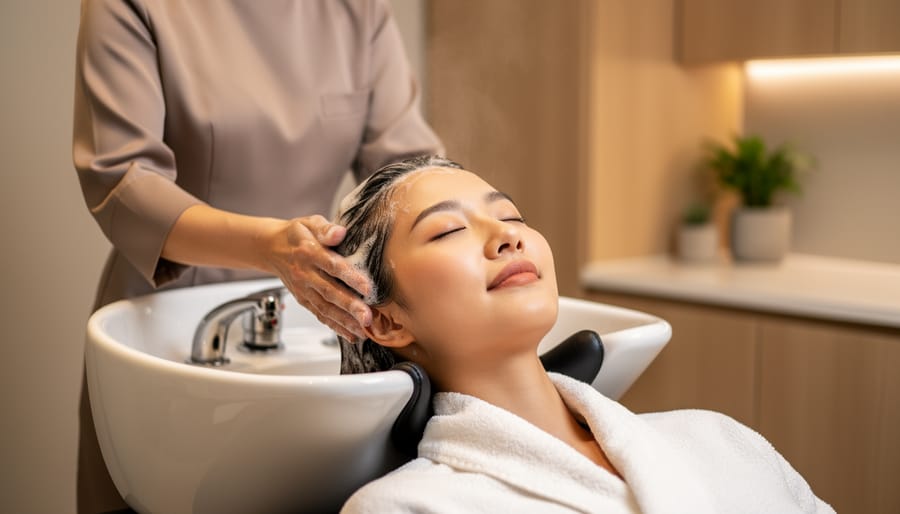
Walking into your first head spa appointment might feel a bit mysterious, but the process follows a thoughtful sequence designed to address your scalp’s specific needs while creating a deeply relaxing experience.
Your session typically begins with a consultation and scalp analysis. A trained therapist examines your scalp using a magnifying device or camera to assess oil levels, buildup, follicle health, and any areas of concern like dryness or congestion. This isn’t intimidating, think of it as getting a personalized roadmap for your treatment. They’ll ask about your hair washing routine, products you use, and any scalp issues you’ve noticed.
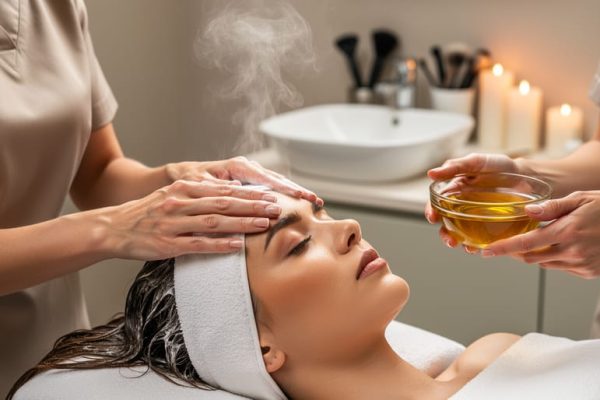
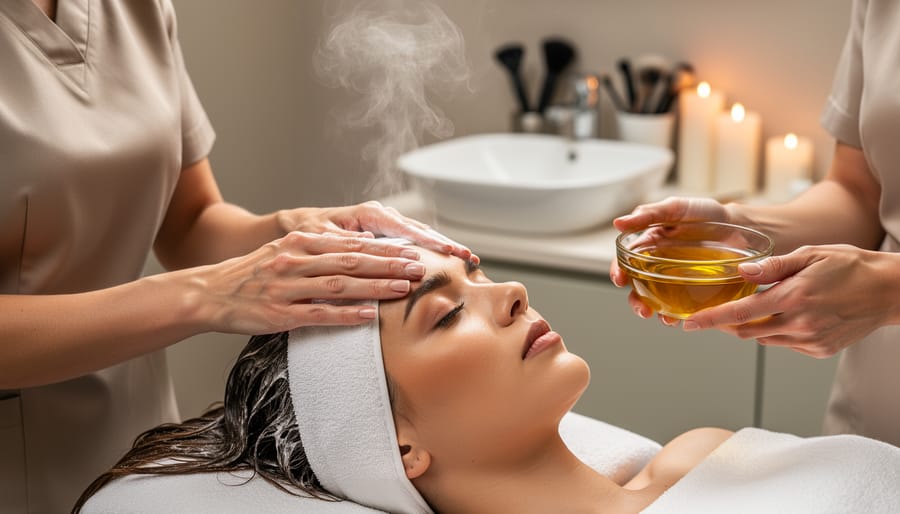
Next comes the pre-cleanse, where warm oil or a specialized scalp treatment is applied to soften buildup and prepare your scalp. This is when the massage begins, and it’s nothing like a quick shampoo at the salon. Using fingertips, knuckles, and sometimes specialized tools, the therapist works in slow, deliberate circles across your entire scalp. The pressure stimulates blood flow while releasing tension you didn’t know you were holding. Many people find this the most transformative part, that moment when accumulated stress seems to melt away.
The cleansing phase follows, using a gentle, often pH-balanced shampoo that removes the loosened debris without stripping your scalp. You might receive a second massage during this stage, working the cleanser thoroughly into every area.
Steam therapy often comes next. Warm steam opens your pores and enhances absorption for whatever treatment comes next, whether that’s a hydrating mask, exfoliating scrub, or nourishing serum. This step typically lasts 10-15 minutes while you relax under the steamer.
The treatment application is customized to what your scalp analysis revealed. For oily scalps, this might be a clarifying clay mask. Dry, flaky scalps might receive an intensive hydration treatment. The product sits while you continue to relax, letting active ingredients penetrate deeply.
Finally, everything is rinsed away, and a scalp toner or essence is applied to seal in benefits. Some treatments finish with a brief shoulder or neck massage, acknowledging that scalp tension often connects to stress held elsewhere.
The entire experience usually takes 60-90 minutes, leaving you feeling refreshed, your scalp tingling with renewed circulation, and your mind considerably calmer than when you arrived.
Types of Head Spa Treatments You Might Encounter
Walking into a head spa, you might notice the menu offers more than one type of treatment. That’s because different approaches target specific scalp and hair concerns, much like how facials come in variations for different skin types. Understanding the main categories helps you choose what aligns with your current needs.
Traditional Japanese Head Spa
This is the original format that inspired the global trend. It emphasizes thorough scalp massage using precise finger techniques, often incorporating warm water rinses and specialized scalp brushes. The focus sits squarely on relaxation and circulation, making it ideal if you carry tension in your head, neck, and shoulders or simply want the full sensory experience that made head spas famous.
Aromatherapy-Infused Treatments
These sessions blend the structural benefits of scalp massage with essential oils chosen for therapeutic properties. Lavender and peppermint calm irritation, rosemary stimulates growth, and tea tree addresses excess oil. The scent becomes part of the stress-relief element, appealing to anyone who finds aromatherapy soothing or wants a more spa-like atmosphere during treatment.
Clarifying and Detox Treatments
Designed for buildup removal, these treatments use deep-cleansing formulas, sometimes with clay or charcoal masks, to draw out impurities from the scalp. They work especially well if you use styling products frequently, live in a high-pollution area, or notice your scalp feels congested despite regular washing. Some clarifying treatments incorporate CBD scalp care for its anti-inflammatory properties.
Hydrating Treatments
The opposite approach tackles dryness head-on with moisture-rich masks, nourishing oils, and gentle massage that doesn’t strip natural oils. If your scalp feels tight, flaky, or sensitive, this version prioritizes replenishment over deep cleansing.
Anti-Aging Scalp Treatments
Newer to the menu, these target concerns that emerge over time: thinning hair, reduced elasticity, and slower cell turnover. They typically include peptides, antioxidants, or collagen-supporting ingredients alongside massage to boost circulation where follicles need it most.
Here’s a quick reference for matching treatment to need:
- Traditional Japanese: stress relief, overall scalp wellness, first-time head spa experience
- Aromatherapy: sensory relaxation, tension headaches, preference for natural botanicals
- Clarifying/Detox: product buildup, oily scalp, post-swimming or environmental exposure
- Hydrating: dry or flaky scalp, sensitivity, winter weather impact
- Anti-Aging: thinning hair, scalp showing signs of aging, proactive follicle support
Many spas customize treatments by combining elements, so you’re not locked into one rigid path. A provider might start with clarifying if you have buildup, then finish with hydration if your scalp also runs dry. The categories simply give you language to describe what you’re hoping to address when you book.
The Scalp Health Benefits That Make It Worth It
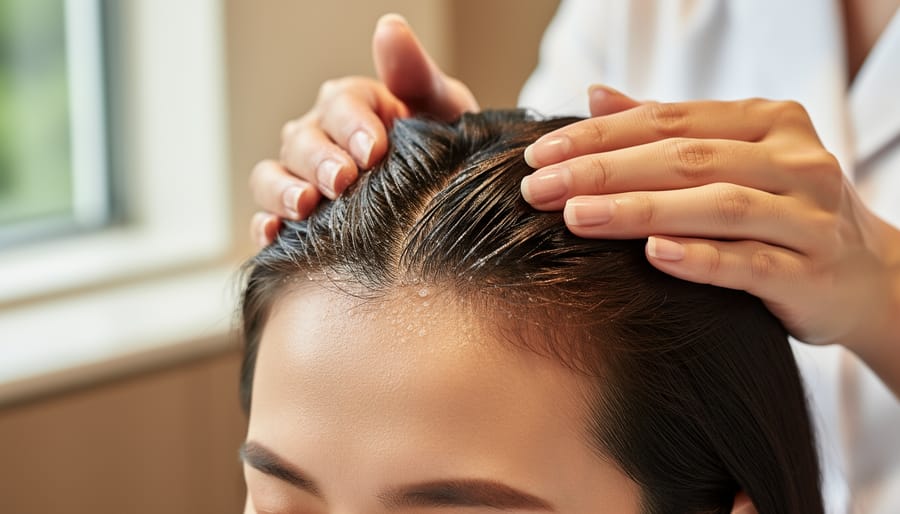
You know that moment when your scalp feels tight, itchy, or just off, but you can’t quite put your finger on what’s wrong? Head spa treatments address exactly that discomfort by tackling the underlying issues most of us didn’t realize were brewing beneath the surface.
The most immediate benefit is a surge in blood circulation. The combination of massage techniques and warm steam used during treatment means more oxygen and nutrients reach your hair follicles. Research confirms that scalp massages improve vasodilation which translates to healthier follicles and a more responsive scalp environment. You’ll notice this as a pleasant tingling sensation during treatment and, over time, a scalp that simply feels more alive.
If your hair feels weighed down or your scalp gets oily by midday, congestion is likely the culprit. Head spa treatments use deep cleansing methods to dissolve the buildup of styling products, excess sebum, and environmental pollutants that regular shampooing leaves behind. Studies show that wash frequency reduces scalp sebum and professional treatments take this further by resetting your scalp’s baseline. The result? Your scalp learns to produce just the right amount of oil instead of overcompensating.
For anyone dealing with persistent flakiness or irritation, the anti-inflammatory benefits are transformative. The specialized ingredients and techniques calm redness and soothe sensitivity, while proper cleansing helps maintain balance in your scalp’s natural ecosystem. Research indicates that targeted treatments like antiseborrheic shampoo restores microbial balance which head spa protocols incorporate alongside massage to address multiple concerns at once. You’re not just getting temporary relief, you’re giving your scalp the conditions it needs to heal and stay balanced between treatments.
What It Does for Your Hair (From Root to Tip)
Your scalp is the soil where your hair grows, and when that foundation is healthy, everything that sprouts from it looks better. Head spa treatments don’t just pamper your scalp, they create real, noticeable changes in your hair’s appearance and strength.
Start with the roots. When circulation improves and follicles get proper nourishment, they grip hair strands more firmly. You’ll likely see less hair in your brush after a few sessions because those follicles aren’t letting go prematurely. Stronger anchoring means each strand has a better chance to complete its full growth cycle instead of falling out early.
The growth environment matters too. A clean, balanced scalp without excess oil, buildup, or inflammation gives new hair the best possible start. Think of it as clearing debris from a garden bed. Hair that emerges from a healthy scalp tends to be thicker in diameter and more resilient from day one.
Then there’s the texture payoff. When your scalp produces balanced sebum and that natural oil can actually travel down the hair shaft (instead of getting trapped by buildup), your hair develops a natural shine. The smoothing treatments used during head spa sessions help close the hair cuticle, leaving strands softer and less prone to tangling or breakage.
Product absorption improves dramatically once you remove the layer of dead skin cells and residue that blocks penetration. Your conditioners and styling products work better because they can actually reach the hair instead of sitting on top of gunk.
Even visible scalp issues improve. When flaking decreases, your hair looks cleaner and your dark clothes stay flake-free. It’s a cascading effect, better scalp equals better hair, full stop.
Who Benefits Most from Head Spa Treatments
The beauty of head spa treatments lies in their universal appeal, there’s truly something here for everyone, no matter where you are in your hair journey.
If you’re dealing with scalp extremes, this treatment can be transformative. Maybe your scalp feels slick and heavy by afternoon, or perhaps it’s so dry that flakiness has become your constant companion. Head spa treatments work to recalibrate that balance, giving your scalp the reset it desperately needs. People experiencing hair thinning often find these treatments particularly valuable because they address the root environment where growth begins, literally.
You’re also an ideal candidate if product buildup has turned your hair dull and lifeless despite your best efforts. Dry shampoo, styling products, and even some cruelty-free hair products can accumulate over time, creating a barrier that regular washing doesn’t fully remove. A head spa treatment provides the deep cleanse your scalp skincare routine might be missing.
- Chronic scalp tension or headaches from stress
- Itchy, irritated scalp that disrupts your day
- Dull hair that won’t hold shine
- Visible flaking or dandruff concerns
- Post-chemical treatment recovery needs
Beyond addressing specific concerns, head spa treatments serve anyone craving elevated self-care. If you’ve built a calm morning ritual or prioritize wellness practices, this fits beautifully into that framework. It’s not just about fixing problems, it’s about investing in how you feel, inside and out.
Making Head Spa Benefits Last at Home
The real magic of a head spa treatment isn’t just what happens during that blissful hour in the chair, it’s how you care for your scalp in the days and weeks after. With a few simple habits, you can stretch those benefits and keep your scalp feeling balanced until your next appointment.
Start with massage, even if it’s just two minutes while shampooing. Use your fingertips (not nails) to make small, circular motions across your entire scalp. This keeps circulation flowing and prevents tension from building up again. Some people make it a nightly ritual before bed, which also helps them unwind.
Product choices matter more than you might think. Look for gentle, sulfate-free shampoos that won’t strip away the natural oils your scalp worked to rebalance. If your treatment addressed dryness, a lightweight scalp serum with ingredients like jojoba or tea tree oil can maintain moisture without weighing hair down. For oily scalps, avoid heavy conditioning products near the roots.
Washing frequency is personal, but most people find their scalp stays happier with slightly less frequent washing after a head spa treatment. Every other day often works better than daily, since overwashing can trigger your scalp to produce more oil to compensate.
Protect your scalp from stressors that undo your progress. Wear a hat in harsh sun or cold wind, and rinse hair after swimming in chlorinated pools. If you use heat styling tools, keep them a few inches from your scalp.
Most professionals recommend follow-up treatments every four to six weeks to maintain results, though your provider can personalize timing based on your scalp’s needs.
Common Questions About Head Spa Treatments
Starting a head spa treatment can feel like stepping into unfamiliar territory, so let’s clear up the most common questions that come up when you’re considering your first appointment.
How often should I get a head spa treatment?
For most people, once a month works beautifully to maintain scalp health and manage stress. If you’re dealing with specific issues like excessive oiliness or product buildup, you might benefit from treatments every two to three weeks initially, then space them out as your scalp finds its balance.
Will it work for my hair type?
Yes, head spa treatments are genuinely suitable for all hair types and textures. The techniques and products get customized during your scalp analysis, so whether you have fine straight hair, tight coils, or anything in between, the treatment adapts to what you need.
What should I expect during my first visit?
Your first session typically starts with a consultation where the technician examines your scalp and asks about your concerns. The treatment itself lasts 45 to 90 minutes and includes massage, cleansing, and nourishing steps that should feel deeply relaxing, not uncomfortable.
How much does a head spa treatment cost?
Prices generally range from $80 to $200 depending on your location, the spa’s reputation, and what’s included in the service. Standalone head spa studios often cost less than luxury hotel spas, and package deals can bring the per-session price down.
How do I find a qualified provider?
Look for spas or salons that specifically advertise head spa services and check reviews mentioning scalp health improvements. A good provider will offer a thorough consultation, explain their process clearly, and use professional-grade products rather than rushing through a generic routine.
The biggest barrier for most people is simply not knowing what to ask or whether they’ll feel out of place. Remember that head spa practitioners genuinely want you to feel comfortable and will walk you through everything. Your questions are welcome, your concerns are valid, and prioritizing your scalp health is a decision that deserves support, not judgment.
Taking care of your scalp isn’t just another item on your beauty checklist, it’s an investment in how you feel, from the inside out. Head spa treatments bring together the immediate gift of deep relaxation with lasting improvements to your scalp environment and hair quality. You walk away calmer, your shoulders lighter, while beneath the surface your follicles get the circulation, balance, and nourishment they need to thrive.
Think of scalp care as foundational wellness. Just as you wouldn’t skip skincare or movement, your scalp deserves the same thoughtful attention. When it’s healthy, everything else follows: shinier hair, less irritation, fewer bad hair days that chip away at your confidence.
Whether you book your first professional treatment or simply start massaging your scalp with intention at home, you’re choosing to show up for yourself in a meaningful way. This isn’t indulgence, it’s care that compounds. Your scalp has been carrying tension, buildup, and stress quietly for too long. Give it the reset it deserves, and notice how that care ripples outward into how you move through your day.