





Who’s Really Betting on Sports in Brazil (And What It Says About Your Lifestyle)
Understand your betting patterns by tracking weekly spending limits and time invested in plataforma bet apostas activities, as recent data shows Brazilian bettors average 4.2 hours weekly on sports wagering platforms. Monitor your emotional triggers before placing bets, particularly during major football matches when 67% of Brazilian bettors report making impulsive decisions driven by team loyalty rather than strategic thinking.
Brazil’s sports betting landscape has transformed dramatically since regulation began, with 42 million adults now participating in what’s become a R$12 billion industry. The typical Brazilian bettor is younger than you might expect—73% fall between ages 25-44, digitally savvy, and increasingly female, as women now represent 38% of active users, up from just 19% three years ago. This demographic shift reflects broader lifestyle changes where entertainment, social connection, and financial aspirations intersect through mobile technology.
The wellness implications are significant. While 61% of bettors view it as recreational entertainment budgeted like dining out or streaming services, financial counselors report a 34% increase in debt-related consultations linked to betting behaviors. Understanding these trends isn’t about judgment—it’s about making informed choices that align with your personal growth goals and financial wellness. Whether you participate occasionally, regularly, or simply want to understand this cultural phenomenon affecting friends and family, recognizing the demographic patterns and lifestyle connections helps you navigate this evolving aspect of Brazilian culture with awareness and intention.
The Face of Brazil’s Sports Betting Revolution
Age and Gender: Breaking the Stereotypes
The numbers tell a fascinating story that challenges everything we thought we knew about betting culture. While traditional casino-goers were predominantly middle-aged men, Brazil’s sports betting scene looks remarkably different and refreshingly inclusive.
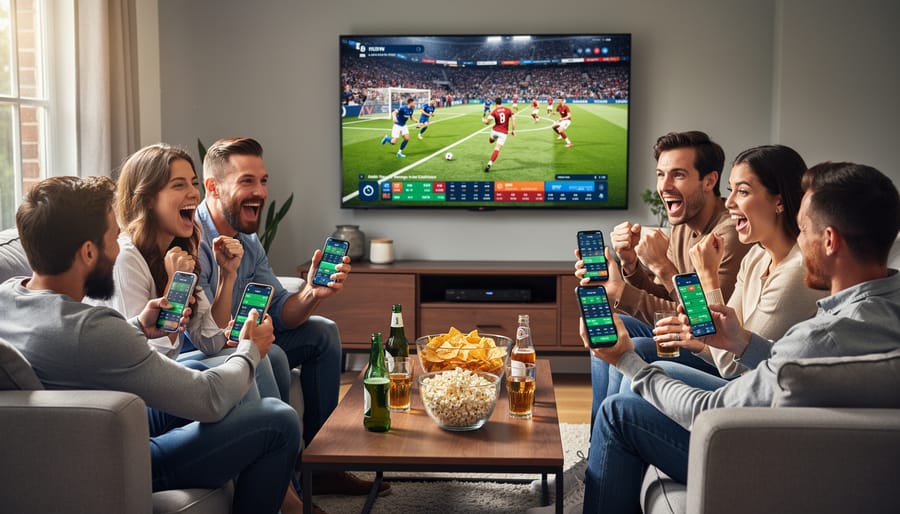
Here’s what’s actually happening: millennials and Gen Z account for approximately 65% of active sports bettors in Brazil, with the 25-34 age group leading the charge. This shift mirrors broader millennial lifestyle trends where digital-first experiences shape entertainment choices. These younger bettors approach sports betting as a social activity, often placing bets while watching games with friends or engaging in online communities.
Perhaps most exciting is the rise in female participation. Women now represent about 35-40% of sports bettors in Brazil, a dramatic increase from just 15% in traditional gambling venues. This growth reflects women’s increasing financial independence and their comfort with digital platforms. Many women view sports betting as part of their entertainment budget, similar to streaming services or dining out.
The demographic shift also reveals different motivations. Younger bettors tend to place smaller, more frequent bets focused on entertainment value rather than life-changing wins. They’re more informed, research-driven, and likely to set personal limits.
Understanding these demographics helps us recognize this isn’t your grandfather’s betting hall anymore. It’s a diverse, tech-savvy community that’s reshaping Brazil’s entertainment landscape while maintaining awareness about responsible participation.
Income and Education Levels That Might Surprise You
Here’s something that might shift your perspective: sports betting in Brazil truly crosses all economic boundaries in fascinating ways. Recent studies reveal that participants come from diverse income brackets, from minimum wage earners to high-income professionals, each approaching betting with different motivations and spending patterns.
What’s particularly interesting is that middle-income Brazilians represent the largest demographic segment, often viewing small wagers as entertainment rather than investment. Meanwhile, higher education levels don’t necessarily predict betting behavior, though they do correlate with more strategic approaches and better awareness of risk management.
The surprise isn’t that people bet, it’s how they budget for it. Many Brazilians treat sports betting like any other leisure expense, similar to dining out or streaming subscriptions. However, the key difference lies in how individuals from different income levels protect their financial wellness.
Here’s where responsible spending becomes essential. Financial experts recommend the 5% rule: never allocate more than 5% of your discretionary income toward any form of entertainment betting. This practical guideline helps maintain balance regardless of your income bracket. Think of it as setting boundaries that honor both your enjoyment and your financial security.
Consider creating a separate “entertainment budget” that includes all leisure activities. This perspective shift helps you see betting as one choice among many, rather than a standalone financial decision. When you view it through this lens, you’re empowered to make choices that align with your broader life goals.
The empowering takeaway? Understanding these demographics isn’t about judgment; it’s about recognizing that financial wellness comes from conscious choices, not income levels. Whether you participate in betting or not, knowing how to manage discretionary spending strengthens your overall financial confidence and supports your journey toward personal growth.
How Sports Betting Is Reshaping Brazilian Social Life
From Solo Activity to Social Experience
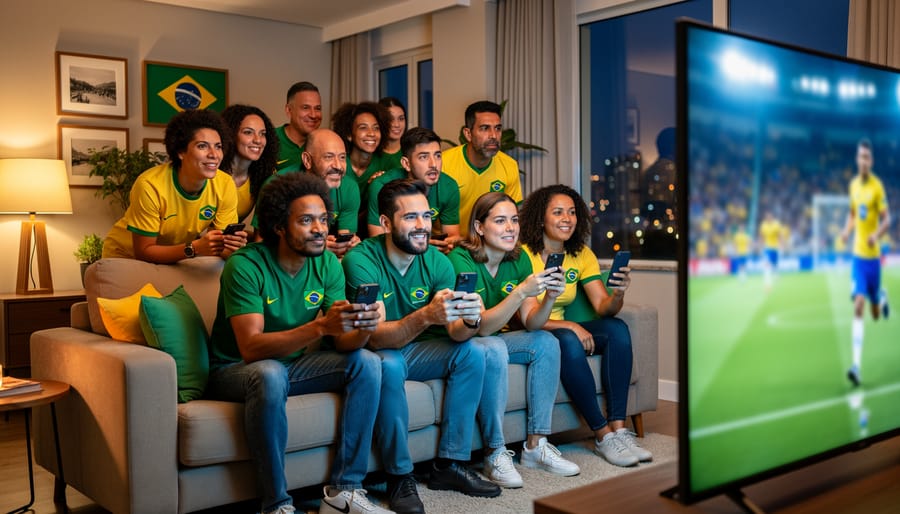
In Brazil, sports betting has transformed from a quiet individual pastime into one of the most vibrant social activities connecting friends and communities. Picture this: groups gathering at homes or local bars, phones in hand, comparing odds and celebrating wins together during major football matches. It’s become as natural as sharing predictions before kickoff.
This shift mirrors the rise of fantasy sports globally, creating shared experiences that strengthen bonds. Online communities have flourished on social media platforms where bettors exchange tips, celebrate victories, and support each other through losses. These digital spaces offer belonging and connection, particularly appealing to younger Brazilians seeking meaningful interactions beyond traditional settings.
For many women entering this space, the social aspect feels more welcoming than the traditionally male-dominated betting culture. Friend groups create private chat rooms to discuss matches, share strategies, and make the experience collaborative rather than competitive. It’s less about gambling and more about enhancing the game-watching experience together.
This communal approach can actually promote healthier engagement. When betting becomes a shared activity, friends naturally encourage responsible limits and celebrate entertainment value over monetary gains. The key is maintaining balance, ensuring that social betting enhances relationships rather than straining them. Setting group spending limits and focusing on the fun of prediction rather than profit keeps the experience positive and community-focused.
The Digital Lifestyle Connection
Imagine this: you’re scrolling through your favorite social media app during your morning coffee, checking football scores, and suddenly you see an advertisement for a sports betting platform. Sound familiar? You’re not alone. Brazilians now spend an average of 5.4 hours daily on their smartphones, and sports betting apps have seamlessly woven themselves into this digital tapestry.
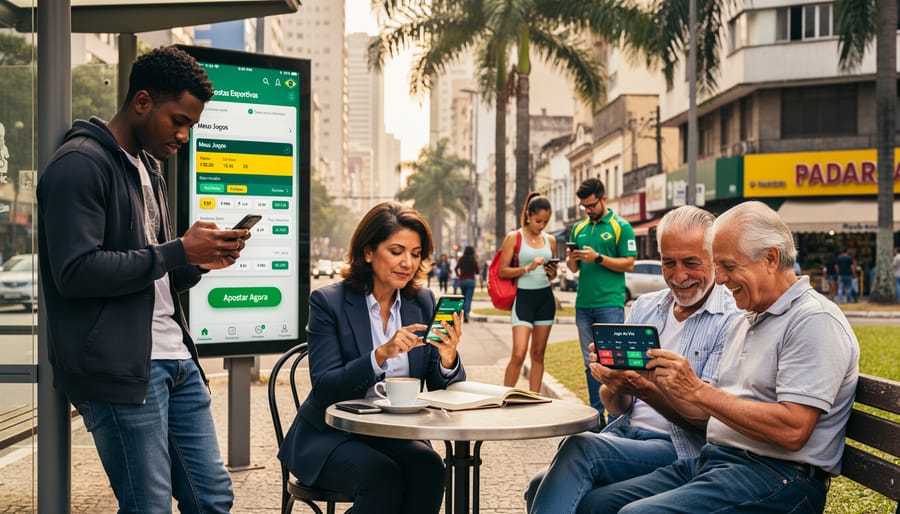
The connection between digital lifestyle habits and sports betting isn’t coincidental. These platforms have mastered the art of fitting into existing routines. Many Brazilians check betting odds while commuting, place quick bets during work breaks, or engage with betting communities through WhatsApp groups and Telegram channels. The mobile-first design of these platforms mirrors the same intuitive experience as ordering food delivery or booking a rideshare.
Here’s what makes this integration so powerful: sports betting apps employ the same engagement techniques as social media, including push notifications, personalized recommendations, and social sharing features. This creates what experts call “micro-gambling moments” throughout the day, where betting becomes another form of digital interaction rather than a standalone activity.
For those mindful of their digital wellness, this presents an important awareness opportunity. Just as you might track screen time for social media or set boundaries around work emails, consider applying the same intentional approach to betting apps. Create designated times for checking sports updates, turn off non-essential notifications, and maintain separate devices or profiles for leisure activities. Understanding how sports betting fits into your broader digital consumption patterns empowers you to make choices that align with your personal values and financial goals.
What Your Betting Habits Reveal About Your Wellness Journey
The Entertainment-Addiction Balance
Finding the sweet spot between entertainment and overindulgence with sports betting requires honest self-reflection and clear boundaries. Think of it like any other form of entertainment in your life—whether it’s shopping, social media, or enjoying desserts—the key is maintaining control while still having fun.
Let’s start with the green flags of healthy betting behavior. You’re likely in a good place if you set a specific budget before placing any bets and stick to it without exception. Healthy bettors treat their betting funds like they would a movie ticket or concert pass—money allocated purely for enjoyment. They celebrate wins but don’t chase losses, and most importantly, they can go days or weeks without thinking about betting at all.
On the flip side, warning signs deserve your attention. If you find yourself betting with money earmarked for essentials like groceries or bills, that’s a red flag. The same goes for feeling anxious or irritable when you can’t place bets, lying to friends or family about your betting activities, or constantly thinking about your next wager. These behaviors signal that entertainment has crossed into problematic territory.
Here’s your action plan for maintaining wellness and balance. First, use betting platform tools that allow you to set deposit limits and loss limits. Schedule your betting time like you would any leisure activity—perhaps only during major sporting events rather than daily. Keep a simple journal tracking how much you spend and how you feel afterward. If you notice negative emotions outweighing enjoyment, it’s time to reassess.
Remember, asking for help shows strength, not weakness. Brazil has resources available through responsible gambling hotlines and support groups specifically designed to help you regain control while still enjoying life’s pleasures responsibly.
Financial Wellness in the Age of Easy Betting
Think of sports betting like your monthly streaming subscriptions or weekend brunch fund – it’s entertainment spending that deserves the same mindful approach. The key to maintaining financial wellness while participating in Brazil’s betting boom is treating it as exactly that: entertainment, not income.
Start by creating a dedicated monthly entertainment budget that includes all your leisure activities. Just as you wouldn’t spend your rent money on a concert ticket, betting funds should come from discretionary income only. Many Brazilian bettors are finding success by setting firm weekly limits, often treating it like a coffee budget – small, predictable amounts that won’t impact essential expenses.
Here’s a practical approach: decide on your monthly betting allowance before placing any bets, then divide it into weekly portions. Use cash or a separate digital wallet to create a physical boundary. When it’s gone, it’s gone until next week. These budgeting tips apply whether you’re betting on Flamengo or shopping for new shoes – mindful spending is always empowering.
Consider the “entertainment value per hour” metric. A R$20 bet that gives you excitement throughout a match might offer better value than other activities. The goal isn’t to win money but to enhance your viewing experience within healthy financial boundaries. If you find yourself chasing losses or betting beyond your budget, it’s time to pause and reconnect with your financial goals.
Lifestyle Trends Driving (and Driven by) Sports Betting Culture
The Influencer Effect and Aspirational Living
In Brazil’s vibrant digital landscape, social media influencers have become unexpected ambassadors for sports betting, transforming it from a niche activity into an aspirational lifestyle statement. Instagram stories featuring sleek betting apps, TikTok videos celebrating wins, and YouTube content creators discussing their “strategies” have normalized betting as part of a modern, connected way of living.
This influence is particularly powerful among younger Brazilians who view their favorite personalities as lifestyle guides. When a trusted influencer shares their betting experience between posts about fashion, travel, or fitness routines, it seamlessly integrates gambling into everyday activities. The messaging often emphasizes excitement, community, and the thrill of being part of something current and sophisticated.
What makes this trend worth examining is how it taps into our desire for connection and belonging. Influencers present betting not as gambling, but as entertainment, a social experience to share with friends during matches. They create a glossy narrative that downplays risks while amplifying the potential for quick wins and status.
For those navigating this landscape, here’s practical advice: follow the 80-20 rule. If 80 percent of what you see online focuses on wins and glamour, remember that’s curated content, not reality. Before engaging, ask yourself whether you’re drawn to the activity itself or the lifestyle image being sold. Understanding this distinction empowers you to make choices aligned with your authentic values and financial wellbeing.

Career and Side Hustle Mentality
For a growing number of Brazilians, sports betting represents more than entertainment—it’s become a potential income stream that reflects shifting attitudes toward work and financial independence. This entrepreneurial mindset is particularly noticeable among younger demographics who view betting as a skill-based activity rather than pure chance.
The appeal lies in the flexibility and accessibility. Unlike traditional career paths that require years of education or significant startup capital, betting offers an entry point for those seeking alternative income sources. Many approach it with the same strategic thinking they’d apply to freelancing or investing, researching statistics, analyzing team performance, and treating wins as validation of their analytical skills.
This perspective reveals something deeper about modern career aspirations in Brazil. As the gig economy expands and traditional employment becomes less stable, people are increasingly drawn to opportunities that promise control over their earning potential. Sports betting fits into a broader cultural shift toward diversified income streams and financial autonomy.
However, it’s essential to recognize the difference between entrepreneurial thinking and sustainable financial planning. While some successfully supplement their income through informed betting, treating it as a primary career strategy carries significant risks. The most balanced approach involves viewing betting as occasional recreation rather than a business model.
If you’re exploring alternative income opportunities, consider channeling that entrepreneurial energy into developing marketable skills, building genuine side businesses, or investing in assets with more predictable returns. True financial empowerment comes from creating value and building multiple income streams that don’t depend on unpredictable outcomes.
Understanding Brazil’s sports betting demographics and lifestyle trends isn’t just about numbers on a chart. It’s about recognizing a cultural shift that may be touching your life, your friend’s routine, or your family dynamics in ways you hadn’t considered before. Whether you choose to participate in sports betting or stay on the sidelines, being informed empowers you to make choices that truly align with your values and wellness goals.
The trends we’ve explored reveal something important: sports betting has woven itself into the social fabric of modern Brazilian life, particularly among younger, urban populations seeking entertainment and community connection. But here’s the beautiful truth about personal empowerment: you get to decide what role, if any, this trend plays in your journey.
As you navigate these shifting cultural landscapes, practice self-awareness. Ask yourself honest questions about how recreational activities affect your mental health, relationships, and financial stability. There’s no judgment here, only an invitation to live intentionally. Set boundaries that honor your wellbeing, whether that means establishing entertainment budgets, recognizing when social pressure influences your decisions, or simply staying informed about trends shaping your community.
Remember, understanding demographics and lifestyle patterns isn’t about following the crowd. It’s about gaining the knowledge to make informed, balanced choices that support your personal growth journey. Your path is uniquely yours, and the most powerful decision you can make is choosing what serves your highest good.